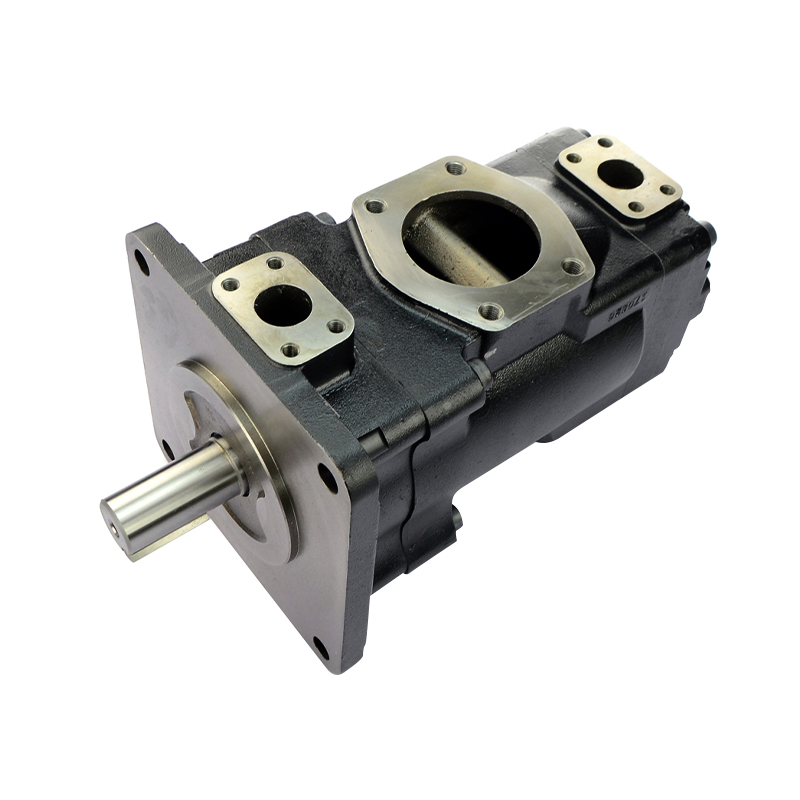

ความอเนกประสงค์ของ ปั๊มลูกสูบไฮดรอลิก ได้ขยายออกไปอย่างมาก ทำให้เป็นตัวเลือกที่ต้องการสำหรับการใช้งานที่ต้องการทั้งกำลังสูงและการควบคุมที่แม่นยำ ตั้งแต่เครื่องจักรอุตสาหกรรมขนาดกะทัดรัดไปจนถึงอุปกรณ์เคลื่อนที่ขนาดใหญ่ ปั๊มเหล่านี้ได้รับการออกแบบทางวิศวกรรมให้ปรับให้เข้ากับ多元场景 (สถานการณ์ที่หลากหลาย) ความสามารถในการปฏิบัติงานด้วย ระดับเสียงต่ำ และรักษาประสิทธิภาพสูงในรูปแบบกะทัดรัด ตอบสนองความต้องการที่สำคัญของระบบไฮดรอลิกที่มีความแม่นยำสมัยใหม่ โดยให้ความสมดุลระหว่างประสิทธิภาพและความเข้ากันได้ด้านสิ่งแวดล้อม
การขยายสถานการณ์การใช้งานสำหรับปั๊มลูกสูบ
ในอดีตปั๊มลูกสูบไฮดรอลิกถูกจำกัดไว้เฉพาะงานหนัก ปัจจุบันกลายเป็นส่วนสำคัญของอุตสาหกรรมในวงกว้าง การขยายตัวนี้ได้รับแรงผลักดันจากการปรับปรุงในด้านวัสดุศาสตร์และความแม่นยำในการผลิต ทำให้ปั๊มเหล่านี้สามารถรับมือกับการทำงานที่ละเอียดอ่อนควบคู่ไปกับการบรรทุกหนักได้
ระบบอัตโนมัติทางอุตสาหกรรมและหุ่นยนต์
ในสายการประกอบอัตโนมัติ แขนหุ่นยนต์ต้องการแหล่งไฮดรอลิกที่ทรงพลังและตอบสนองได้ดี ปั๊มลูกสูบให้แรงดันสูงที่จำเป็นสำหรับการสั่งงานที่แข็งแกร่ง ในขณะเดียวกันก็ให้การควบคุมการไหลอย่างละเอียดซึ่งจำเป็นสำหรับการเคลื่อนไหวที่ราบรื่นและไร้การกระตุก ขนาดที่กะทัดรัดช่วยให้สามารถติดตั้งได้โดยตรงบนหรือใกล้ฐานหุ่นยนต์ ช่วยลดความยาวของท่อและการสูญเสียแรงดัน
อุปกรณ์ทางทะเลและนอกชายฝั่ง
การใช้งานทางทะเลต้องการความน่าเชื่อถือและการทนทานต่อสภาวะที่ไม่เอื้ออำนวย ปั๊มลูกสูบที่ใช้ในเฟืองบังคับเลี้ยวและระบบกว้านได้รับการออกแบบด้วยวัสดุที่ทนต่อการกัดกร่อนและตัวเรือนที่ปิดสนิท ความสามารถในการรักษาประสิทธิภาพที่สม่ำเสมอภายใต้สภาวะโหลดที่แตกต่างกันทำให้มั่นใจได้ถึงการทำงานที่ปลอดภัยและมีประสิทธิภาพของเครื่องจักรที่สำคัญบนเรือ
โครงสร้างที่กะทัดรัดและการทำงานที่มีเสียงรบกวนต่ำ
แนวโน้มไปสู่การย่อขนาดในการออกแบบอุตสาหกรรมได้ผลักดันให้ผู้ผลิตปั๊มเพิ่มประสิทธิภาพเชิงพื้นที่ของปั๊มลูกสูบไฮดรอลิก ด้วยการใช้การออกแบบตามแนวแกนหรือแกนงอ ปั๊มเหล่านี้จึงมีอัตราส่วนกำลังต่อน้ำหนักที่สูง ทำให้เหมาะสำหรับการติดตั้งในพื้นที่จำกัด
การลดเสียงรบกวนเป็นคุณสมบัติที่สำคัญอีกประการหนึ่ง ปั๊มลูกสูบแบบดั้งเดิมขึ้นชื่อในเรื่องของเสียงหอนที่โดดเด่น แต่การออกแบบที่ทันสมัยได้รวมคุณสมบัติในการลดเสียงรบกวน เช่น แผ่นพอร์ตที่ได้รับการปรับปรุงและห้องอัดล่วงหน้า นวัตกรรมเหล่านี้ช่วยลดแรงดันซึ่งเป็นแหล่งที่มาหลักของเสียงไฮดรอลิก เป็นผลให้ปั๊มลูกสูบสมัยใหม่สามารถทำงานได้ในระดับเสียงที่เทียบได้กับปั๊มใบพัด ทำให้เหมาะสำหรับโรงงานในร่มและโครงการก่อสร้างบริเวณที่พักอาศัย
| คุณสมบัติ | ผลประโยชน์ | ผลกระทบต่อระบบ |
|---|---|---|
| รอยเท้าขนาดกะทัดรัด | ช่วยประหยัดพื้นที่ในการติดตั้ง | ช่วยให้สามารถออกแบบเครื่องจักรที่มีขนาดเล็กลงได้ |
| การปล่อยเสียงรบกวนต่ำ | ปรับปรุงสภาพแวดล้อมในการทำงาน | เป็นไปตามมาตรฐานการกำกับดูแลที่เข้มงวด |
| ระดับแรงดันสูง | ให้กำลังสูง | ช่วยให้แอคชูเอเตอร์ขนาดเล็กลงได้ |
รับประกันความแม่นยำในระบบไฮดรอลิก
ระบบไฮดรอลิกที่มีความแม่นยำต้องอาศัยความแม่นยำและการตอบสนองของแหล่งพลังงาน ปั๊มลูกสูบไฮดรอลิกส่งสิ่งนี้ผ่านกลไกการควบคุมขั้นสูง เช่น การตรวจจับโหลดและการชดเชยแรงดัน คุณสมบัติเหล่านี้ช่วยให้แน่ใจว่าปั๊มส่งปริมาณการไหลและแรงดันที่ระบบต้องการได้อย่างแม่นยำ ลดของเสียและเพิ่มการควบคุมสูงสุด
- การตอบสนองแบบไดนามิก: การปรับแผ่นสวอชเพลทอย่างรวดเร็วช่วยให้ปั๊มตอบสนองต่อการเปลี่ยนแปลงความต้องการของระบบได้อย่างรวดเร็ว ซึ่งสำคัญมากสำหรับการปั่นจักรยานด้วยความเร็วสูง
- ประสิทธิภาพที่โหลดบางส่วน: ปั๊มลูกสูบแบบแปรผันต่างจากปั๊มแบบเปลี่ยนตำแหน่งคงที่ซึ่งรักษาประสิทธิภาพสูงแม้ในขณะที่ทำงานต่ำกว่าความจุสูงสุด ซึ่งช่วยลดต้นทุนด้านพลังงาน
- ความเสถียรของระบบ: การออกแบบปั๊มลูกสูบโดยธรรมชาติให้การส่งผ่านการไหลที่ราบรื่น ลดการสั่นสะเทือน และยืดอายุของส่วนประกอบที่เชื่อมต่อ เช่น วาล์วและกระบอกสูบ
โดยสรุป วิวัฒนาการของปั๊มลูกสูบไฮดรอลิกเป็นหน่วยที่มีขนาดกะทัดรัด เสียงรบกวนต่ำ และปรับเปลี่ยนได้สูงได้เปิดความเป็นไปได้ใหม่สำหรับการใช้งานในอุตสาหกรรมที่มีความแม่นยำ ด้วยการตอบสนองความต้องการสองประการในด้านประสิทธิภาพสูงและความไวต่อสิ่งแวดล้อม ปั๊มเหล่านี้ยังคงเป็นรากฐานสำคัญของการออกแบบระบบไฮดรอลิกขั้นสูง